The main goal of good sun damage treatment is to get rid of hyperpigmentation and fine lines, which are signs of photo-ageing. Combining medical-grade antioxidants with expert resurfacing procedures can repair damaged cellular DNA and encourage the growth of new collagen. This detailed guide stresses both restoring skin’s resilience and keeping a clear, even-toned complexion all year long.
The Sun’s Hidden Cost: Why Your Skin Needs a Break
Even though most people like being in the sun, Ultraviolet (UV) radiation is actively breaking down the skin’s structure underneath that short-lived golden glow. Photoaging is responsible for about 80% of the changes in the skin that can be seen, such as “liver spots,” a leathery texture, and a noticeable loss of elasticity. Unlike natural chronological ageing, sun damage is an attack on cells by the environment.
To deal with these changes, you need more than a calming moisturiser. You need a sun damage treatment that goes to the root of the problem: oxidative stress. If you have long-lasting redness or a sudden outbreak of “sun freckles,” the first thing you need to do to get your skin looking healthy and glowing again is to learn about the treatments that can fix and refresh damaged tissue.
1. The Science of Photo-Damage
When UV rays get through the skin, they make free radicals in the body. These unstable chemicals not only break down the collagen fibres that keep skin looking young, but they also damage the DNA of the skin.
- UVA rays that go deep into the skin can cause long-term damage, like wrinkles and sagging.
- The most common effects of ultraviolet B (UVB) rays on the skin are burns and quick changes in colour.
- Elastosis is a medical condition that happens when the skin gets thick, yellowish, and rough with wrinkles after being in the sun for a long time.
2. Things That Are Used to Make the Skin Look Younger
If you want to start taking care of your skin, you should have a “repair kit” of active ingredients backed by science in every bathroom cabinet.
- Retinoids, which are also called vitamin A, are the best way to fix things. By speeding up cell turnover, these help get rid of damaged, pigmented cells and replace them with new ones.
- Vitamin C is a powerful antioxidant that protects skin from free radical damage and makes dark spots less noticeable.
- Niacinamide helps reduce redness from being in the sun for a long time and makes the skin’s protective barrier stronger.
What to Look For, What Causes It, and How to Treat It
| Medical Sign | Basic Reason | Suggested Solution |
| Lenses for the Sun | Too much melanin production | Using IPL or a chemical peel |
| Lines that are thin | The breakdown of collagen | Retinoids and laser treatments |
| Advanced Glaucoma | Changes in cells that could lead to cancer | Medical consultation and cryotherapy |
| Retinopathy in people with diabetes | Weakened vascular strength | Laser treatments |
3. How Expert Resurfacing Can Help
DIY creams can only do so much. This is when you need medical help. Chemical peels and other treatments use certain acids, like glycolic or salicylic, to get rid of the outer layer of damaged skin. This process makes the body create a new, better epidermal layer.
Clinical trials available on PubMed demonstrate that regular chemical resurfacing significantly reduces the visibility of irregular pigmentation. The British Association of Dermatologists also says in their guidelines that sun spots should be treated as soon as they show up to protect the long-term health of your skin.
4. Bringing Back the Barrier and Hydration
People know that skin that has been damaged by the sun is very dry and “leaky.” The broken barrier causes water to evaporate quickly. Look for things that have ceramides and fatty acids in them. They keep moisture in and irritants out by acting as the “mortar” between the “bricks” of skin cells. Putting a thick moisturiser over therapy serums makes an important occlusive seal.
5. Talking about Possible Results
As clear as it may seem, the best way to help the healing process is to stop more damage from happening. Even in the UK, you need sunscreen with a broad-spectrum SPF of 30 or higher, no matter what the weather is like. Physical blockers like zinc oxide are very helpful for people with sensitive or sun-damaged skin because they sit right on top of the skin and act like a mirror to reflect UV rays.
Clinical Expertise at Zenderma
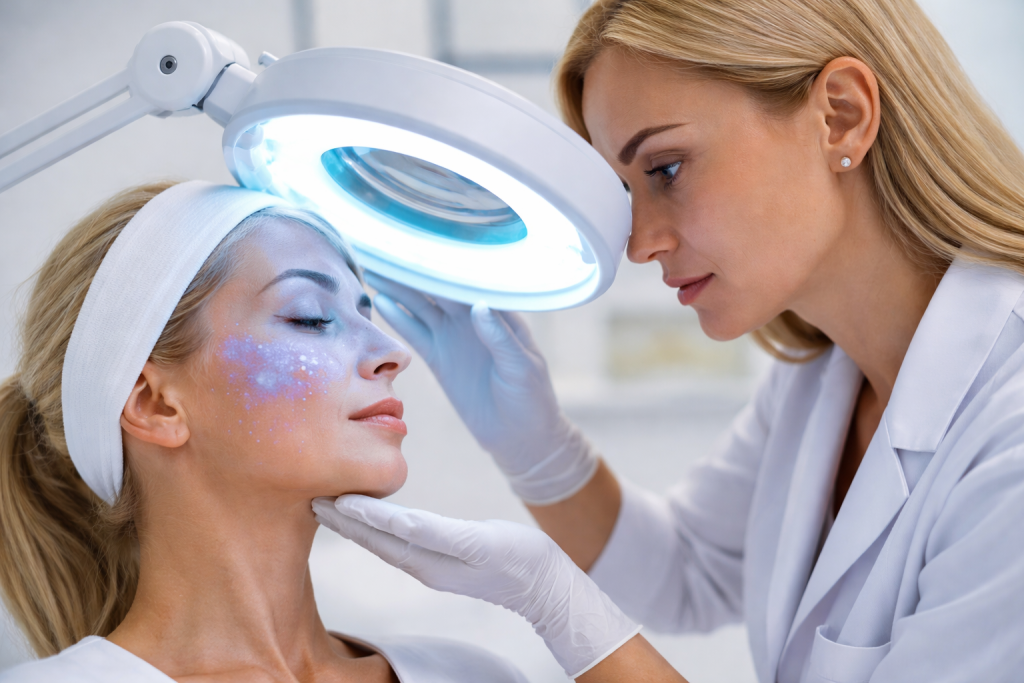
It can be hard to figure out which skin healing options are best for you. Zenderma, Best Skin Care Clinic in Chennai, follows a diagnostic approach to every sun damage treatment. Doctors can see the level of collagen thinning and the depth of pigmentation using advanced skin mapping, which is not visible to the naked eye. Because of this, a very personalised plan for treating sun damage can be made. This plan can include both in-office treatments and medical-grade skincare products that patients can use at home.
The main goal is still to find a balance between active restoration and calming the skin. For instance, combining moisturising mesotherapy with a deep peel feeds the skin from the inside out while removing dead cells. We’re not just looking for quick fixes; we want real cellular rejuvenation.
Conclusion: A More Optimistic Outlook on Skin Care: Commitment to Restoring the Cells
Reversing years’ worth of sun damage is a slow and challenging process. A dedicated approach towards correcting sun damage involving the use of antioxidants, as well as skin resurfacing procedures and top-notch sun protection, is enough to transform your skin.
Protecting the future and reversing the effects of the past should always work in tandem. It is definitely possible to return skin to its natural healthy state with dedication. Your skincare should be a symbol of your health as a whole.
| CTA: Take the next step with expert-led, science-backed care at Zenderma Clinic and begin your personalized skin restoration journey today! |
FAQs
1. How long do sun-healing treatments take to work?
You should notice a change in the texture and tone of your skin after 8 to 12 weeks of regular care. Visible improvement builds gradually as your skin renews itself through consistent protection and repair.
2. Can you get a “healthy” tan?
Sun exposure harms DNA, so it’s better to stay out of the sun and get a fake glow instead. Any tan is a sign of skin stress, making sunless tanning options a safer cosmetic choice.
3. I have spots on my skin from the sun. How can I get rid of them?
Using a mix of Vitamin C, Retinol, and expert chemical peels is the best way to get the best results on pigmentation. Daily sunscreen and gentle exfoliation also help fade discolouration by supporting healthy skin turnover.
4. Is it possible to fix sunburns at this point?
It’s never too late to start a repair routine to stop more damage and make your skin look better. Hydrating, soothing ingredients can calm inflammation while your skin gradually restores its barrier.
5. What makes skin that has been burnt by the sun rough?
This is usually caused by a buildup of dead skin cells. To get rid of it without irritating the skin, use a mild chemical exfoliator.
6. Do you need sunscreen if you work in an office?
Wearing it every day will help keep your skin from ageing without you knowing it. UVA rays can even get through glass windows.
7. Could changing what you eat help your skin heal from the inside out?
Eating foods high in antioxidants and lycopene, like tomatoes, can help protect your skin from the inside out.
8. What should you not do after a professional skin peel?
Stay out of the sun and don’t use active retinoids for a few days to give your skin time to heal properly. Keep the skin moisturised and avoid picking or scrubbing to prevent irritation and scarring.
9. Is skin sagging because of sun damage?
Yes, because it breaks down elastin. Microneedling and other treatments can help the skin become more elastic again. Consistent sunscreen use and collagen-supporting skincare can further slow down this loss of firmness.
10. How often should you check your moles?
It is best to see a doctor once a year. Any changes in size, shape, or colour should be closely watched. Doing a monthly self-check helps you notice early warning signs between appointments.

Dr. Vignesh Karthik, MD (DVL)
Meet Dr. Vignesh Karthik, MD (DVL) – the expert mind behind Zenderma. With 15+ years of dermatology experience, he leads with precision and compassion. From advanced skin therapies to aesthetic care, your skin is in trusted hands. At Zenderma, we blend science with a personalized approach for every skin type. It’s not just treatment – it’s expert-driven transformation.