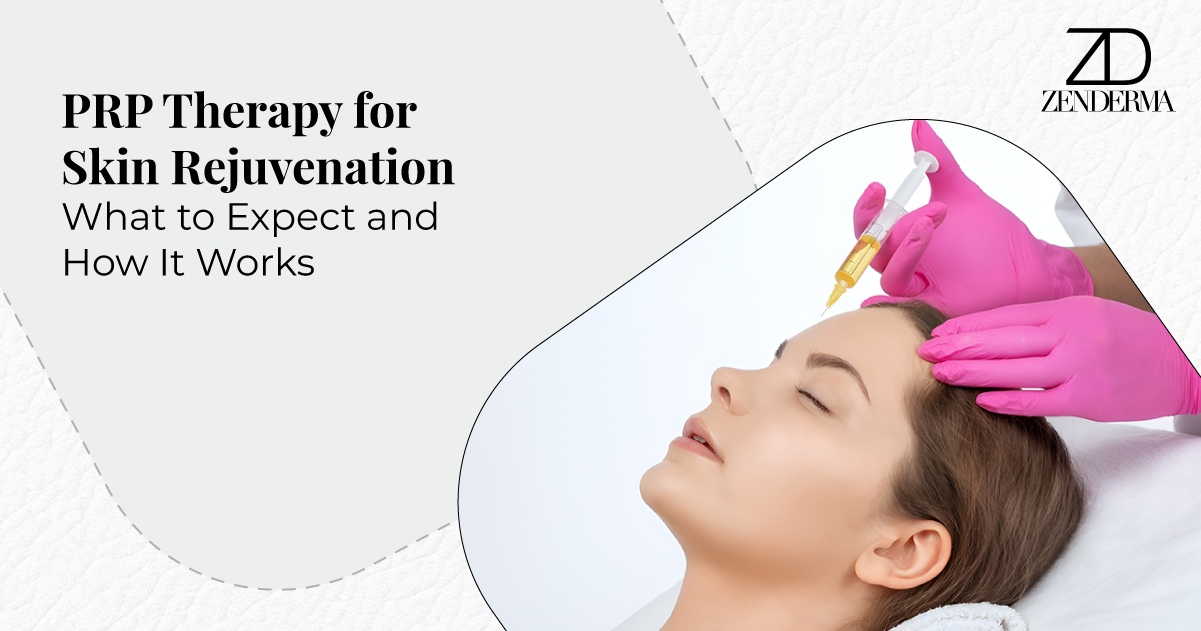
PRP skin therapy is a way to artificially boost the body’s natural healing abilities to help collagen form and cells repair themselves. This autologous treatment works by injecting important growth factors directly into the dermis, which gets rid of wrinkles, scars, and dullness. This natural regenerative therapy can help patients get a younger-looking and firmer skin with little downtime and the highest level of safety.
Radiance: The Biological Basis for Travelling Through Your Own Cells Over Time
Modern science suggests that the best ways to heal ourselves might already be in our blood, but we often look for the “fountain of youth” in expensive jars of cream or synthetic injections. Platelet-Rich Plasma (PRP) has moved from the world of elite sports medicine to the forefront of cosmetic dermatology thanks to its all-natural and very effective formula.
Platelet-rich plasma skin therapy, or PRP skin therapy, which has been called the “Vampire Facial” in the media, is not dangerous at all. Separating the platelets from your blood, which are the “liquid gold” that can start a healing cascade, is a difficult medical procedure. The first step to looking younger is to learn how your body can work as a powerful repair kit if your skin has lost its “bounce” or if dark bags under your eyes won’t go away.
How Platelet-Rich Plasma or PRP Skin Therapy Works?
The growth factors are what make PRP work. Little cells called blood platelets help with clotting and fixing damaged tissues. By concentrating these platelets, we make a serum that is five to ten times stronger than normal blood.
Step 1: Blood Collection
First, we take a blood sample, which is a small amount of blood like what you would get for a regular blood test.
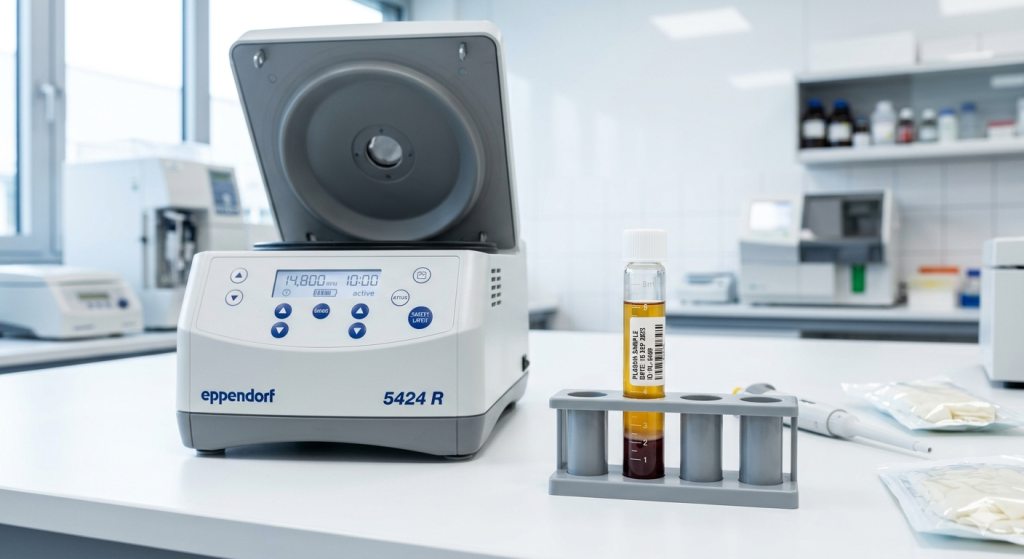
Step 2: Centrifuge Process
The second step is to use the centrifuge: A medical centrifuge spins the blood very quickly, separating the red blood cells from the plasma, which has a lot of platelets in it.
Step 3: Activation and Application
The third step is activation, which means putting the “liquid gold” back into your skin through microneedling or shallow injections after it has been separated.
Platelets release growth factors that tell stem cells to make new collagen and elastin, which are proteins that make the skin look younger by making it firmer.
Things That Are Likely to Happen Before, During, and After Therapy
One of the best things about platelet-rich plasma (PRP) skin therapy is that it is “made from you.” This greatly lowers the chance of a bad reaction or rejection.
- Before the treatment: You will be given a topical numbing lotion to make you more comfortable.
- During the treatment: It takes about 30 minutes to put the plasma back in.
- After the treatment: You might feel a little red or “sunburnt” for a day or two right after. It’s normal for the treated area under the eyes to swell a little.
The “Glow” Routine
A “PRP glow” may show up in a week, but the changes to the structure take longer to show up. After four to six weeks, most patients notice a big difference in the texture and tone of their skin.
Dynamic Dermal Fillers vs. PRP
| Feature | PRP Skin Care | Fillers for Lips |
| Subject matter | Blood that is pure and given by the person | Hyaluronic acid that is both synthetic and biocompatible |
| Main Goal | Enhancing the health and condition of the skin | Increasing volume and improving it |
| Time spent on Earth | It takes months before you see any real changes | Fast (lasts 6 to 18 months) |
| Protection from risk | Completely free of allergies | Very low chance of response or migration risk |
Big Benefits for Different Problems
PRP is very flexible. Its ability to improve the health of all tissues can help with a lot of skin problems:
- Wrinkles and fine lines: It makes the dermis thicker, which makes “crow’s feet” and vertical lip lines less noticeable.
- Acne scars: Platelet-rich plasma (PRP) speeds up the process of getting rid of acne scars when used with microneedling.
- Dark circles: It makes the delicate skin under the eyes thicker and hides the blood vessels, which makes dark circles look less noticeable.
- Overall texture: It works wonders for “crepy” skin on the neck and décolletage by making pores less noticeable.
Getting the Most Out of Your Results
If you want to get the most out of your therapy, you should not take ibuprofen or any other anti-inflammatory drug in the days before and after your session. These kinds of medicines could stop the inflammation that platelet-rich plasma (PRP) uses to start the healing process.
If you’re interested, read the British Skin Foundation’s instructions for before treatment.
What Kind of Job Seeker Would Be Perfect?
PRP is a great option for people who want a more “natural” result. This is great for you if you aren’t ready for Botox or fillers yet, or if you want to improve the health of your skin in a more natural way without losing its beauty.
People who are sick right now or have certain blood diseases, on the other hand, shouldn’t use it.
Being Honest and Good at ZenDerma
Regenerative medicine can only work if the plasma is of good quality. ZenDerma, Best Hair Care Clinic in Chennai, uses the latest closed-system centrifuges to make sure that the platelets are as concentrated as possible.
Our doctors will look at your skin to figure out the best depth and density for your PRP skin treatment because biology doesn’t follow a “one-size-fits-all” model.
By combining PRP with our personalised clinical facials, we can speed up the body’s natural healing process. With ZenDerma, you can fix sun damage or deal with the first signs of ageing with surgical precision, and the results will look new, not “done.”
To learn how we combine PRP with other cutting-edge methods, read our previous blog post about PRP vs Scalp Reset: Which Is Right for You?.
Conclusion: Why Regenerative Medicine Should Be the Standard in the Industry
A new era in skin care has begun. Instead of hiding problems, people are now getting “tweakments” that really help the body. Platelet-rich plasma (PRP) skin therapy is like making a long-term investment in the health of your skin.
Staying consistent is very important on any path to healing. A single treatment can do wonders for your skin, but a series of treatments can change the rate at which your skin ages.
Even though we’re moving away from solutions that only use synthetic materials, using your own plasma is still the most natural and safe way to get a glowing, long-lasting glow.
| Discover expert-led regenerative skincare solutions at Zenderma Clinic and start your personalised PRP journey today. |
FAQs
1. Is the pain that comes with PRP skin therapy real?
First, you’ll put on a strong numbing lotion. You shouldn’t feel much more than a little pressure or tingling. Any mild discomfort usually fades quickly once the session is over.
2. How many sessions does the estimate cover?
Three treatments, spaced four to six weeks apart, will give you the best results. Your provider may adjust the plan based on how your skin responds.
3. Can I go back to work right away?
Most people say to take the night off. After about 24 hours, you might notice some redness that looks like a mild sunburn. Light activities can typically be resumed the next day with gentle skincare.
4. Does “Vampire Facial” also mean PRP?
Yes, you should know that “Vampire Facial” is just a marketing term for platelet-rich plasma skin therapy; they are the same thing. The name differs, but the technique and benefits remain identical.
5. How long does PRP keep working?
You might see results after 12 to 18 months, but it might be a good idea to have a maintenance session once a year to keep your collagen levels high.
6. Can PRP help with dark circles under the eyes?
Yes, it’s one of the best natural cures. Over time, your skin should become thicker and less see-through. Improved collagen support in this delicate area can gradually reduce the shadowed appearance.
7. Is it possible to get sick there?
You should always pick a place that is registered with the CQC. The risk is very low when you use your own blood in a clean therapeutic setting. Proper sterilization protocols and trained professionals further minimize any chance of infection.
8. Can you use Botox and fillers with PRP?
Yes. You and your doctor should come up with a plan if you want to fix both your volume loss and skin texture at the same time. These treatments can complement each other when timed and performed correctly.
9. What should you do after care?
To keep the newly stimulated cells alive, you should keep your skin clean, wait 24 hours before working out hard, and stay out of direct sunlight. Using a gentle moisturizer and sunscreen supports faster recovery.
10. What are the benefits of getting PRP from ZenDerma?
ZenDerma’s growth factor concentration is much higher than that of regular kits because they use high-yield, medical-grade centrifuges. This approach helps deliver more potent regenerative support for visible skin improvement.

Dr. Vignesh Karthik, MD (DVL)
Meet Dr. Vignesh Karthik, MD (DVL) – the expert mind behind Zenderma. With 15+ years of dermatology experience, he leads with precision and compassion. From advanced skin therapies to aesthetic care, your skin is in trusted hands. At Zenderma, we blend science with a personalized approach for every skin type. It’s not just treatment – it’s expert-driven transformation.