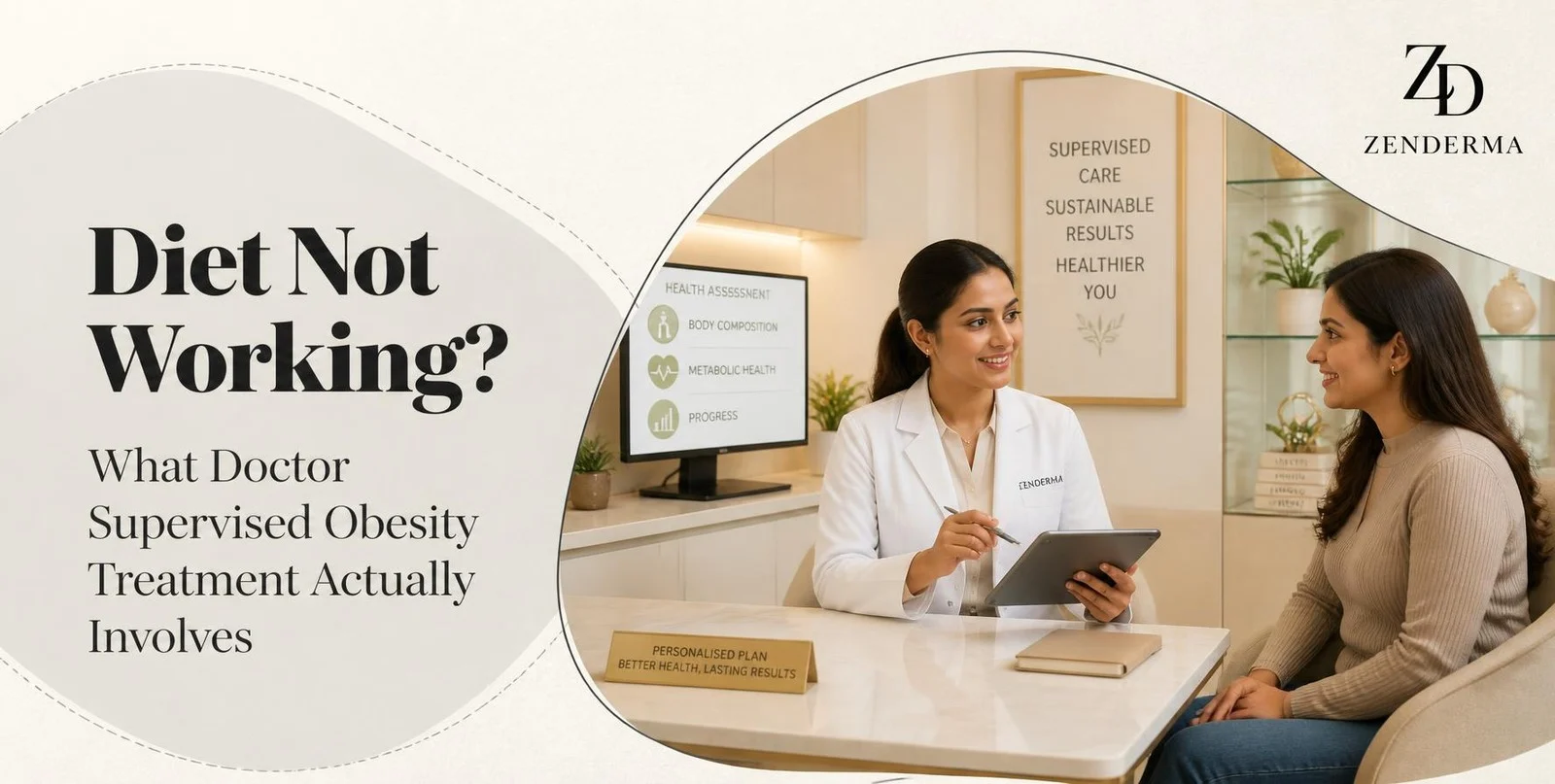
Not seeing results from diet plans? Proper medical management of obesity should begin with an assessment, not a new diet plan. The following guide will help understand how doctors assess risk, provide personalized nutrition advice, track progress, and even use medication if needed. There is a comparison of different options, including a weight loss clinic in Chennai, and this will help you make a decision.
Key Takeaways:
- Medical treatment of obesity begins with assessment and not diet plan.
- It’s not just BMI; NICE recommends measuring waist-to-height ratio.
- A 5-10% weight loss is considered clinically significant to improve glucose levels, blood pressure, and cholesterol.
- Medication is an additional step after a doctor assessment.
- Maintenance is as important as the first 90 days.
Introduction: Skip the Fad Diets and Choose Medical Care
You’ve ditched the sugar, walked every day and yet the scales stubbornly remain the same. Obesity treatment under medical supervision is a physician-directed programme that views obesity as an illness and not as a lack of self-control. According to NICE guideline NG246, body mass index (BMI) as well as waist to height ratio should be taken into account prior to opting for any intervention. An appropriate obesity management service starts with taking measurements and going through medical history, but not a generalised nutritional programme. Here is how obesity management works, from the first consultation until permanent management.
Why Do Diets Fail Even If You Do Your Best?
Obesity has more than just calories to do with it. Hormonal changes, sleep disorders, stress, thyrotoxicosis, PCOS (polycystic ovary syndrome) as well as certain regular medications affect your metabolism and make you eat more. All of this can be checked by a doctor, not by an application.
However, for many Indians, the risk starts earlier than usual. The NICE sets different thresholds for individuals from South Asian ancestry: being overweight when BMI is 23 and obese when BMI is 27.5. This is the reason why a general online chart can mislead you.
What is Doctor Supervised Obesity Treatment?
Then, what takes the place of guessing? A structured process of care.
Definition: A doctor supervised obesity treatment is a customized plan, based on the care of a qualified doctor, which includes health evaluation, diet, physical activities and consultations. |
Standard process involved:
- Medical evaluation including your medical history, medication and past weight loss efforts.
- Testing and measurements including your height, weight, BMI and waist measurements.
- Testing, as recommended, including blood glucose test and cholesterol testing.
- Nutritional plan tailored to suit you as per your schedule.
- Medications are prescribed to you only if you qualify.
- Follow-ups and maintenance schedule.
Diet Alone vs Doctor-Led Care: What Actually Changes?
The steps above are easier to judge side by side.
| Feature | Diet alone | Doctor-led programme |
| Starting point | Generic target or online calculator | Medical history, BMI and waist measurement |
| Health checks | Usually none | Blood tests where clinically advised |
| Nutrition advice | Standard meal plan | Plan personalised by a nutritionist |
| Progress tracking | Self-monitored | Planned clinical reviews |
| Medicines | Not available | Considered only after assessment |
| Long-term support | Left to you | Maintenance guidance included |
How Do Weight Loss Drugs Fit Into the Picture?
Drugs are the component that people ask for the most often, so accuracy is important. The NICE guidance recommends that weight management drugs must be used together with reduced calorie diet and physical exercise.
In England, the NICE guidance classifies eligibility depending on body mass index and the presence of health complications related to the patient’s weight. In all other regions, the prescriber determines whether your personal risks outweigh the potential advantages. Possible side effects are nausea, constipation, and diarrhea. Injectables are not recommended for use during pregnancy and breastfeeding.
The Myths and the Truth of Weight Loss Treatment
| Myth | Fact |
| Crash diets are the fastest route | Rapid loss is hard to sustain, and a smaller, steady loss is often more valuable |
| Fat reduction treatments cure obesity | They target localised fat for contouring and do not replace medical weight management |
| Injections are a shortcut | They are an add-on to diet and activity, with monitoring |
| Regain means you failed | Obesity is a long-term condition, so maintenance is part of the plan |
| Only the scale matters | Blood sugar, blood pressure, cholesterol and mobility matter too |
Another temporary side effect of crash dieting is hair shedding. If this is an issue that is causing concern for you, read our guide about the best hair clinic in Chennai to learn more about scalp and hair health.
Which Option is Right for You? A Brief Overview
Your initial condition determines your next step:
- If you suffer from diabetes, high blood pressure, or arthritis, make sure to consult a doctor before making any dietary changes.
- If you have fat deposits in small areas only and have a normal BMI, fat reduction procedures might be a solution for body contouring. It is not for obesity treatment.
- If you are pregnant, trying to conceive, or breastfeeding, notify your physician first since injectable methods are usually not recommended.
- If you want to avoid drugs, consider the nutritional approach, since most people begin with it.
A quick fix won’t work in this case, either. Intravenous therapy is not a weight loss solution; see our IV glutathione guide for more information.
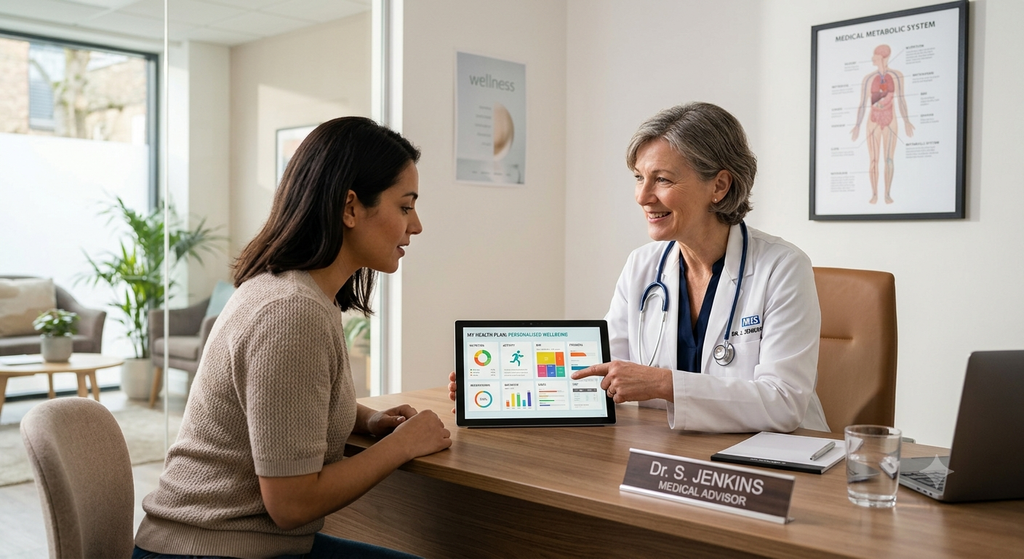
How Does Zenderma’s Weight Loss Programme in Chennai Operate?
Zenderma is a dermatologist-led clinic situated in Teynampet, Chennai, and Zenderma’s weight loss programme operates according to the medical-first principle. When you search for ‘weight loss near me‘, Zenderma’s weight loss program offers an assessment-based weight loss program. It operates within 90 days.
- Weeks 1–2: start with your diet and the prescribed medicines if any with a low dose.
- Weeks 3–6: your doctor analyzes your progress and makes modifications to the program.
- Weeks 7–12: habits and activities are reinforced along with post-program planning.
- Later: follow-up support for maintaining weight, or diet changes, or other treatments depending on the needs of yours.
Before visiting your doctor, come prepared with your existing medicines, latest reports, and weight history. Also, inform your doctor about any allergy and plans for pregnancy. Expecting different results from everyone.
Get to know our doctors at Zenderma
Our medical staff comprises skilled MD dermatologists who blend clinical proficiency and skills with the understanding of aesthetics and lifestyle. As medical practitioners, they give each patient an individualized examination before starting any treatment or weight management program.
Dr. Vignesh Karthik, MD DVL
14+ Years of Experience | Dermatologist
Dr. Vignesh Karthik is a senior dermatologist at Zenderma and has over 14 years of experience in the field of Dermatology, Venereology and Leprosy. Dr. Vignesh practices both clinical dermatology and advanced cosmetic procedures including minimally-invasive face lift and Endolift procedure.
When it comes to medically supervised weight management, his method starts by understanding your health parameters along with setting appropriate expectations from the treatment.
Dr. Divya Poulose, MD Dermatology
Over 7 Years’ Experience | Dermatologist
Dr. Divya Poulose is an experienced female dermatologist who has more than seven years’ experience in clinical as well as aesthetic dermatology. In addition to that, she has done specialized training in dermatosurgery as well.
She works in the following fields: clinical dermatology care, anti-ageing care, laser treatments as well as the management of different dermatological conditions. She offers personalized consultation and guides patients about the right treatment procedure for them considering their past medical history and their specific requirements.
Dr. Athira Deepthi M, MD DVL
MD Dermatologist
Dr. Athira Deepthi M is an MD certified dermatologist who specializes in Dermatology, Venereology & Leprosy. Dr. Athira at Zenderma analyzes different types of skin, scalp and hair problems and provides treatment procedures depending upon the individual clinical requirement of the patient.
Why Opt for a Medically Supervised Program?
The process of weight management could require much more than simply adjusting your eating habits and doing physical activity. Through an examination, a doctor could reveal some medical factors affecting your weight, assess current medications and find out whether you require any further medical assistance.
As for the weight loss program implemented by Zenderma, it focuses on individual evaluation and control instead of a universal strategy. Our medical experts can evaluate your progress during the whole program and adjust it if necessary.
Conclusion: Your Following Steps after Yet Another Failed Attempt
Having repeatedly started different diets and failed to see results could be irritating, yet an adequate obesity management program requires much more than just making yet another attempt. The medical approach implies a proper assessment, personalized nutrition and changes in lifestyle along with constant monitoring and helps to reach realistic goals. In case of need, based on your personal state and requirements, your doctor could also consider prescribing you weight loss drugs. Consult a doctor at Zenderma now.
| Ready to start a more knowledge-based journey towards a healthy body weight? Contact Zenderma today and make the first move to achieving a healthy body weight under medical supervision. |
FAQS
1. What is obesity treatment and why do I need it?
Obesity treatment refers to a doctor-supervised program aimed at reducing body weight. It is required when one’s body mass index and waist-to-height ratio indicate increased risk, or if previous attempts to lose weight via dieting have been fruitless.
2. Does the service of losing weight differ from going on a diet?
Yes, because a doctor will check your health condition, conduct tests if needed, plan your diet, and monitor the results, while on your own, you usually lack such assistance, which is helpful to develop healthy habits instead of sticking to temporary dieting.
3. What to look for in a trusted weight loss clinic near me?
One needs to find a certified doctor, an assessment procedure, a nutritionist, and checkups. Do not use the service that promises quick results without any discussion of your health issues or neglects your medical history.
4. Does fat reduction therapy help obesity?
No, since fat reduction therapies treat localized fat deposits for reshaping. In the case of obesity, medical weight management remains necessary, which is dependent on your state of health, risks associated with your excess weight, and your personal treatment objectives.
5. How much weight can I lose?
The amount of weight varies from patient to patient; however, a 5-10% reduction is clinically significant. With the help of your doctor, you can set a reasonable goal. Even a slight loss can help you improve the state of several obesity risks.
6. Are there any injections?
No, not necessarily, since you can make progress using nutritional and lifestyle approaches as well as medicines only after the assessment. When the use of medication is necessary, your doctor will recommend the proper type.
7. Is losing weight with drugs safe?
It may be suitable for some individuals, but not for all. Prescriptions and constant monitoring are necessary due to side effects like nausea and changes in the bowels. Your doctor will take into account your medical history and medications you are on.
8. Should I get my blood checked before starting?
Generally, yes. Your physician may recommend you to do so according to your medical history, symptoms and the medicines you are taking currently. This could help in determining your overall health status and some factors that may impact your treatment course.
9. How long does the course of therapy under doctor’s supervision take?
The program of Zenderma lasts 90 days, but after that, you have a maintenance program. However, the duration of the course depends on your progress and on the course of treatment selected for you.
10. Will I gain weight again?
There is a chance if there is any slippage in habits, because obesity is a chronic disease. You will be provided with maintenance recommendations in order to preserve the achieved results.

Dr. Vignesh Karthik, MD (DVL)
Meet Dr. Vignesh Karthik, MD (DVL) – the expert mind behind Zenderma. With 15+ years of dermatology experience, he leads with precision and compassion. From advanced skin therapies to aesthetic care, your skin is in trusted hands. At Zenderma, we blend science with a personalized approach for every skin type. It’s not just treatment – it’s expert-driven transformation.