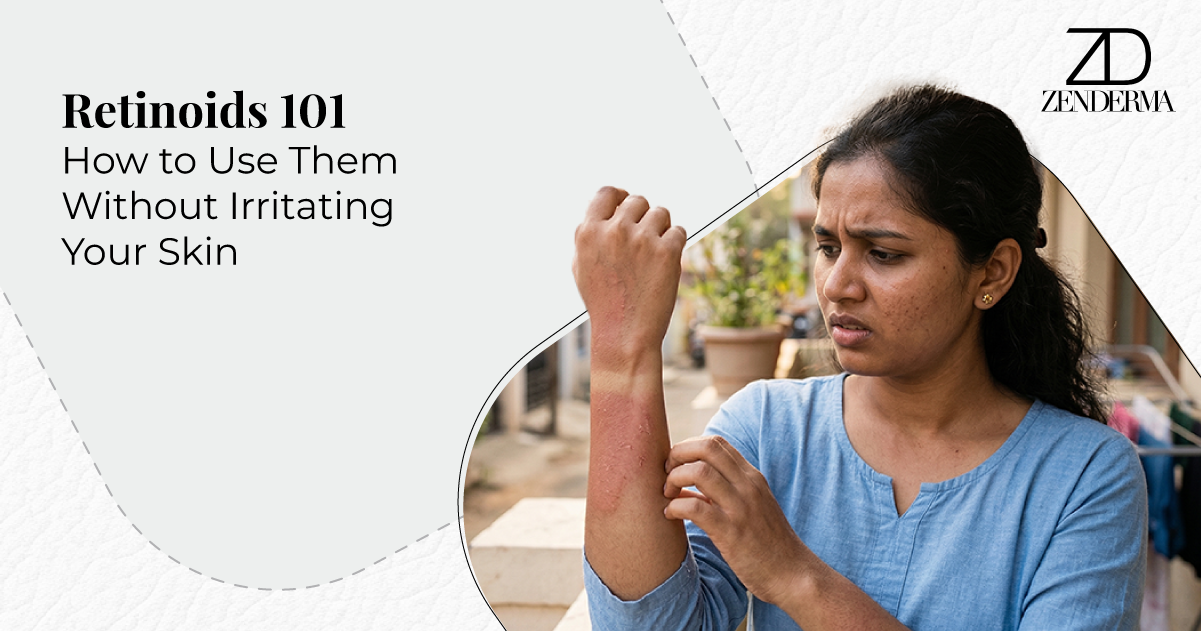
Expertise in the use of retinoid skincare is considered the benchmark method in reversing signs of ageing and improving skin texture. By following the “slow and low” philosophy, users will be able to encourage collagen growth and cell turnover without experiencing redness or flaking associated with most skincare products. The following article delves into proven medical approaches for applying retinoids effectively.
Introduction: The Benchmark Method of Ageing Well: Unravelling Vitamin A
While there are numerous substances used by dermatologists in their treatments, vitamin A compounds hold a special place within this field. Retinoid skincare is often considered the “holy grail” of cosmetic treatments but is misused by many because it can cause discomfort after a few days of application. Contrary to common belief, these molecules not only interact with the skin but also instruct it to act in a more youthful way.
The challenge lies in the transition. Because these actives are so potent, the skin needs a period of “retinisation” to build tolerance. Going beyond the risk of irritation involves an informed and scientific process where cells must be renewed while simultaneously being protected. Whether it is to reduce wrinkles, unclog pores, or even out the complexion, knowing how to properly apply the treatment makes all the difference between damaging your skin barrier and achieving a radiant glow.
1. The Retinoids Genealogy
There may well be differences among the various forms of vitamin A. These forms will differ based on their rate of conversion to retinoic acid, which is the active form of vitamin A and one that the skin can make use of.
- Retinyl Palmitate: Gentlest derivative. Ideal for those with very delicate skin types or for people who have recently introduced retinoids.
- Retinaldehyde (Retinal): The strong brother, which only undergoes one conversion step to become active acid. It acts 11 times faster than retinol.
- Tretinoin (Retinoic Acid): The strongest version of the retinoid family. A prescription is needed by the doctors because it acts directly on skin cells.
2. Slow and Low Method
The most common mistake that people make when using retinoids is going too fast. This leads to retinol burn, which should be avoided by following a certain schedule.
- Patch test involves the application of a small amount behind the ear or inside the arms for two days.
- The 1-2-3 Rule: Use the product once a week for the first week, twice a week for the next two weeks, and then three times a week. Only move to nightly use once the skin shows zero signs of redness or tightness.
- Pea-Sized Amount: More is not better. A single pea-sized drop is sufficient for the entire face. Excess product only increases the risk of inflammation without adding benefit.
Comparison of Popular Retinoid Forms
| Form | Potency | Irritation Risk | Best For |
| Retinyl Palmitate | Low | Very Low | First-timers & Dry skin |
| Retinol | Moderate | Moderate | General anti-ageing |
| Retinaldehyde | High | Moderate-High | Advanced users & Acne |
| Tretinoin | Very High | High | Clinical repair & deep wrinkles |
3. The “Sandwich Technique” for Dry Skin
For people who have a tendency to suffer from dry skin, the use of the “sandwich technique” is a groundbreaking clinical trick. It consists of putting on a light coat of moisturiser, followed by the application of retinoid, and then covering it up with another coat of moisturiser.
4. Critical Ingredients to Avoid and Include
When using Vitamin A, the rest of the routine must be supportive, not aggressive.
- Avoid: Do not mix retinoids with vitamin C, AHAs (glycollic acid), or BHAs (salicylic acid) in the same session. This “over-activates” the skin and leads to barrier collapse.
- Include: Look for ceramides, cholesterol, and hyaluronic acid. These components will help replace any lipids that may have been depleted by the use of retinoids. According to clinical insights from the British Skin Foundation, maintaining a robust moisture barrier is vital when using keratolytic agents.
5. Sunlight and Stability
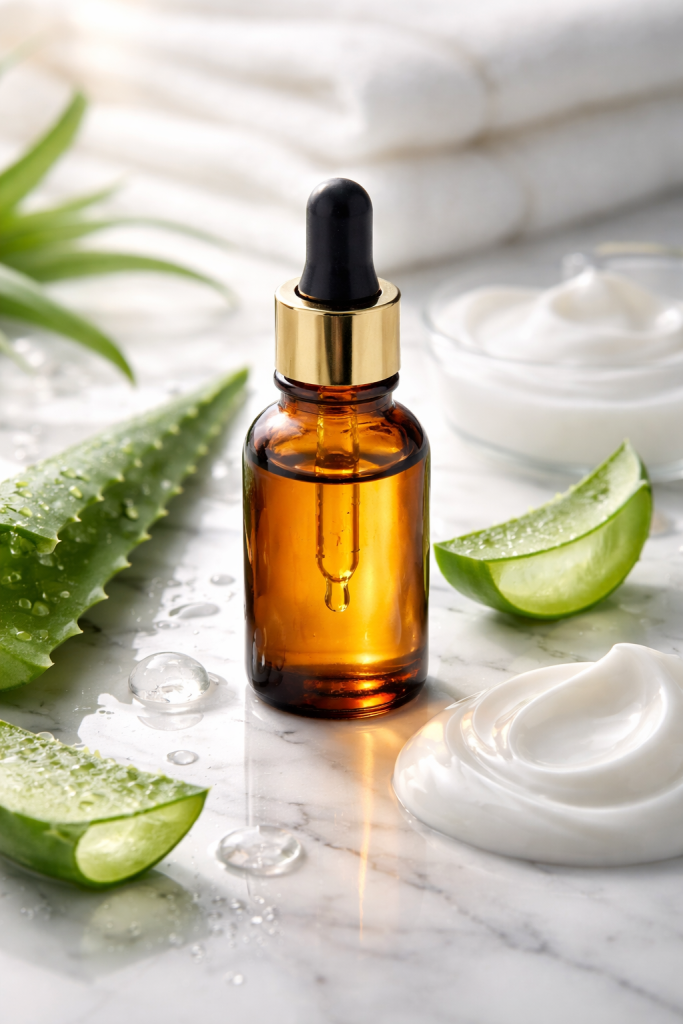
As a class of compounds that are photolabile, retinoids are subject to decomposition through exposure to light, becoming less effective in doing their job. Hence, retinoids were conventionally placed in dark-coloured bottles and used at night to ensure proper application. Moreover, due to their increased cell turnover, the newer layer of skin underneath is vulnerable to harmful UV rays. Proper sun protection measures are necessary. Studies conducted and made available through PubMed prove that Vitamin A becomes much more effective when combined with sun protection.
Clinical Guidance at ZenDerma
Navigating the world of high-potency actives can be daunting without professional oversight. At ZenDerma Clinic, the philosophy centres on “skin-first” results. Instead of aggressively marketing the best products right away, the doctors conduct diagnostics to measure natural moisture levels and sensitivity in the skin. This diagnostic process ensures that the patient gets a unique retinoid skincare treatment regimen that can meet their individual needs – whether it’s for pore refinement or addressing years of sun damage.
Using clinical procedures such as chemical peels and light therapy, ZenDerma assists in “priming” the skin for home care. That way, the introduction to Vitamin A can be smooth and effective. The team at ZenDerma focuses on educational medical marketing that will empower each patient to know the biological workings of their skin before beginning treatment.
For more information about how topical treatments fit into a comprehensive skincare plan, explore our detailed blog, The Complete Guide to Treating Hyperpigmentation Safely and Effectively.
Conclusion: The Long Game: Why Patience is the Key to Radiant Skin
The true beauty of Vitamin A lies in its ability to fundamentally reprogram the skin, but this transformation is a marathon, not a sprint. When it comes to retinoids, by respecting the barrier nature of the skin and implementing a strategic retinoid skincare regimen, anyone can see the remarkable results that come with this active agent.
Consistency always beats out intensity when it comes to using this product. When it comes down to finding the proper formula, knowing when to buffer, and protecting yourself from the sun, you’ll be on your way to a clearer skin journey.
| Ready to begin your Vitamin A journey with expert guidance? Explore personalised, science-backed skincare solutions at Zenderma. |
FAQs
1. How long does it take to see results from a retinoid?
Visible changes in acne can appear in 6 weeks, but for fine lines and wrinkles, you should expect to wait 3 to 6 months of consistent use.
2. Can I use a retinoid under my eyes?
You should be very cautious; the skin there is thin, so only use a product specifically formulated for the eye area or “buffer” it with heavy cream.
3. What should I do if my skin starts peeling?
You should reduce the frequency of application and focus on barrier-repairing creams containing ceramides until the irritation subsides completely.
4. Is it normal for my skin to “purge” or break out more at first?
Yes, this is a common part of retinoid (vitamin A) skincare as deep congestion is brought to the surface; you should persist, as this usually clears within a month.
5. At what age should I start using Vitamin A?
Many dermatologists suggest starting in your mid-20s for prevention, but you should consult a professional to see if your skin is ready.
6. Can I use retinoids if I have rosacea or eczema?
You should be extremely careful and likely stick to the gentlest derivatives, as the high turnover can trigger flares in compromised skin.
7. Does “prescription-strength” always mean it is better?
Not necessarily; you should start with over-the-counter versions to build tolerance, as prescription tretinoin can be far too aggressive for beginners.
8. Should I apply my retinoid to wet or dry skin?
You should always apply it to completely dry skin; moisture on the surface can increase absorption too much, leading to unwanted stinging.
9. Can I use vitamin A while pregnant?
No, you should stop using all retinoids during pregnancy and breastfeeding as a safety precaution; look for Bakuchiol as a natural alternative.
10. Do retinoids thin the skin over time?
Actually, while they thin the very top layer of dead cells, you should know they significantly thicken the deeper dermis by boosting collagen.

Dr. Vignesh Karthik, MD (DVL)
Meet Dr. Vignesh Karthik, MD (DVL) – the expert mind behind Zenderma. With 15+ years of dermatology experience, he leads with precision and compassion. From advanced skin therapies to aesthetic care, your skin is in trusted hands. At Zenderma, we blend science with a personalized approach for every skin type. It’s not just treatment – it’s expert-driven transformation.