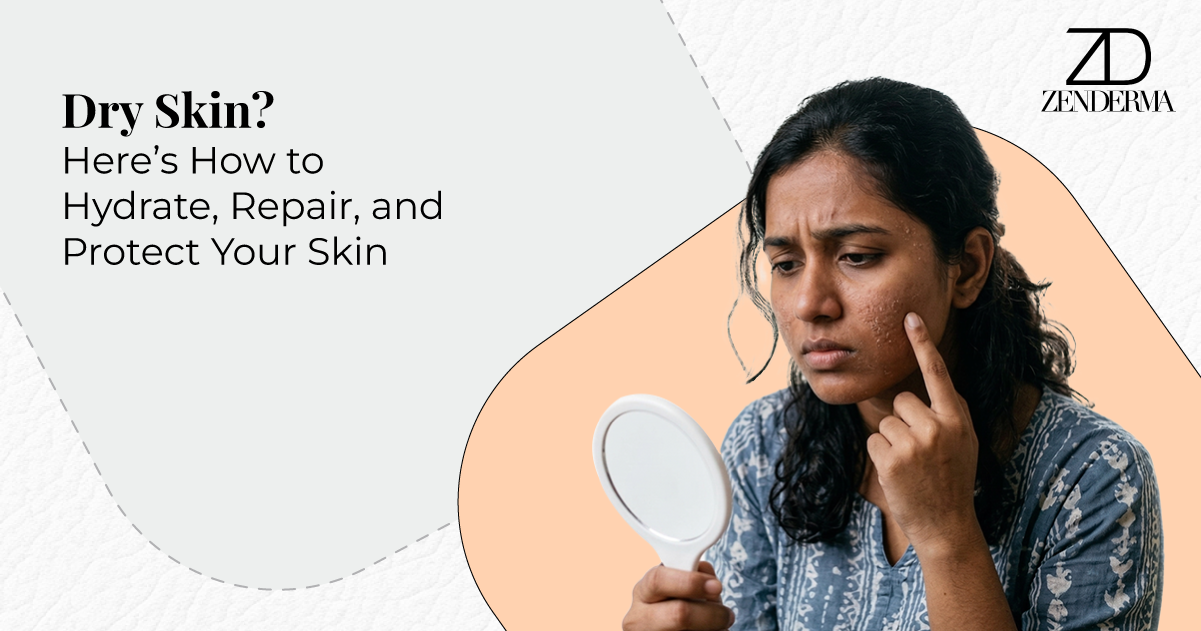
Using thick lotions isn’t enough to fix dry skin; you need a step-by-step dry skin treatment plan to fix the skin’s barrier and keep moisture in. To get rid of flakiness and itching, you need to know what occlusives and humectants do. This medically backed guide will help you find the best ways to restore your skin’s natural lipids so that it stays hydrated and comfortable for a long time.
The Moisture Gap: Where Tight Skin Comes From
At some point, we’ve all had to deal with the pain of wearing clothes that are too small. When your skin gets dry, it means that the protective barrier on your skin has been damaged. This can happen for a number of reasons, such as the drying effects of central heating and the harsh winter wind. When the lipid bilayer breaks down, it lets important moisture escape through tiny cracks. This is called transepidermal water loss (TEWL).
We need to look for more than quick fixes for dry skin in order to find a long-term dry skin treatment solution. Finding the right balance between hydration (adding water) and moisturisation (keeping that water in) is very important. If you’ve been dealing with dry skin, rough spots, or a dull complexion, switching to a routine based on medical research can help you get smooth, soft, and strong skin.
1. A Scientific Look at Hydration vs. Moisturisation in an Effective Dry Skin Treatment
Most people use these words to mean the same thing, but dermatologists use them to mean two different things when it comes to skin care.
- Humectants: Hyaluronic acid and glycerine are two examples. These substances pull water from the air into the deeper layers of the skin to keep it moist.
- Moisturisers (Emollients or Occlusives): Ingredients such as squalane and ceramides create a barrier that prevents water from evaporating.
Tip: The best way to use humectants is to apply them to slightly damp skin.
2. Finding Out Where Dehydration Comes From
Dryness can get worse because of things we do every day, and it can run in families.
- Washing your face too often or with water that is too hot can strip your skin of the sebum that protects it.
- Aeroplanes and offices have very low humidity, which can be bad for the skin.
- As we age, our skin naturally makes fewer lipids, so it’s even more important to have a plan for treating dry skin to keep it healthy.
Assessment of Vital Moisturising Agents
| What kind of ingredient | Examples | Main Role | What it’s for |
| Humectant | Urea and Hydroxyproline | Brings water into cells | Dry, dead skin |
| Moisturiser | Different fats and ceramides | Makes the skin feel softer | Surface that is uneven and flaky |
| Completely hiding | Petrolatum and Shea Butter | Makes a real seal | Very dry and likely to get eczema |
3. The “Barrier-First” Way to Clean
The best way to get rid of dry skin is to wash it. If your skin feels “squeaky clean”, it’s probably because your moisture barrier isn’t working right.
- Switch to cream cleansers: They clean without bothering the lipid layer that protects the skin.
- Use only lukewarm water: This helps keep the temperature stable. When skin comes into contact with hot water, it dries out right away because the lipids that protect it are dissolved.
- The 60-Second Rule: Put on your first layer of moisturiser no later than one minute after patting your face dry. This helps keep any moisture that is still there.
4. New Clinical Knowledge
People who have chronic dryness may find that over-the-counter lotions don’t always work for them. The British Association of Dermatologists has done studies that show that a broken barrier can lead to other problems, such as sensitivity and faster ageing.
Using chemicals that are similar to what the skin is made of, such as free fatty acids and cholesterol, is the key to making skin heal quickly. Clinical trials published in PubMed show that xerosis patients can also benefit from topical ceramides, which help repair the epidermal barrier.
5. Changing with the Seasons: Summer and Winter
The needs of your skin change with the seasons.
- In the summer, a thin gel-based humectant might be all you need.
- In the winter, the “slugging” method—putting an occlusive balm over moisturiser before bed—can make a big difference for dry skin.
Get Professional Help from ZenDerma
While home care is important, clinical intervention can give your skin the “reset” it needs. If you have any worries about having dry skin, the experts at Zenderma, Best Skin Care Clinic in Chennai, can help ascertain if it’s a short-term problem or a permanent one and recommend the right dry skin treatment.
The importance of patients puts treatments in line with the specific lipids in your body.
Among the many things ZenDerma Clinic can help you with are:
- Skin barrier evaluation
- Hydra-facial treatment with pharmaceutical-quality serums
- Recommendation for medicinal-grade compounds that penetrate the skin to enhance moisture
Conclusion: A Long-Term Dedication to Skin Well-being for Building Resilience
Dry skin needs constant care and protection. However, the proper management can bring the best results to ensure you are free from dryness and regain radiance.
What you should do includes:
- Using humectants to attract water to the skin.
- Emollients for creating an effective barrier.
Healthy, elastic skin depends on consistent care. Paying attention to the skin’s signals and providing the appropriate dry skin treatment can help maintain a hydrated, radiant complexion for years to come.
| Get expert guidance and personalised dry skin solutions at Zenderma Clinic. |
FAQ’s
1. Is my skin really dry, or is it just thirsty?
Oil is on moisturised skin, but water is not on dry skin. If your skin feels dry and scratchy, it probably is. It might be dehydrated if it looks dull and tight.
2. Does drinking more water help with dry skin?
Drinking water from the inside out is good for your health, but nothing beats a good moisturiser for getting rid of dry, itchy skin.
3. Why does my moisturiser sting when I put it on?
This usually means that the skin barrier may be damaged. You should use a scent-free cream with a lot of ceramides in it to help fix and improve the barrier.
4. Do dry spots mean that exfoliation won’t work?
Don’t use scrubs that are too rough. If you want to gently exfoliate your skin without making it angry, use a lactic acid product once a week.
5. Is it safe for me to use facial oils every day?
Put them on after a water-based moisturiser to make sure they seal in moisture. Choose lightweight, non-comedogenic oils so your pores don’t feel congested.
6. When is dry skin most likely to respond to treatment?
Nighttime is best for big repairs. While the body’s natural repair system is working overnight, rich creams and balms have a chance to soak in well. Applying products before bed allows longer contact time for deeper nourishment.
7. Are hot showers bad for you?
Yes. Take short showers with lukewarm water to keep the skin’s protective lipids from coming off. Pat your skin dry gently instead of rubbing to avoid further irritation.
8. Do you need to have a humidifier in your home?
Use a humidifier in your bedroom if you want to keep your skin from drying out while you sleep. Maintaining indoor moisture levels can reduce overnight transepidermal water loss.
9. Can food change how dry your skin is?
Yes. Adding healthy fats like avocados and Omega-3 fatty acids can help the skin’s natural oil production and barrier health.
10. Is it good for dry skin on your face to use “natural” oils like coconut oil?
Be careful because some oils can clog pores. A lot of people like squalane or jojoba oil better than other oils because they are very similar to the oil that the skin makes on its own.

Dr. Vignesh Karthik, MD (DVL)
Meet Dr. Vignesh Karthik, MD (DVL) – the expert mind behind Zenderma. With 15+ years of dermatology experience, he leads with precision and compassion. From advanced skin therapies to aesthetic care, your skin is in trusted hands. At Zenderma, we blend science with a personalized approach for every skin type. It’s not just treatment – it’s expert-driven transformation.