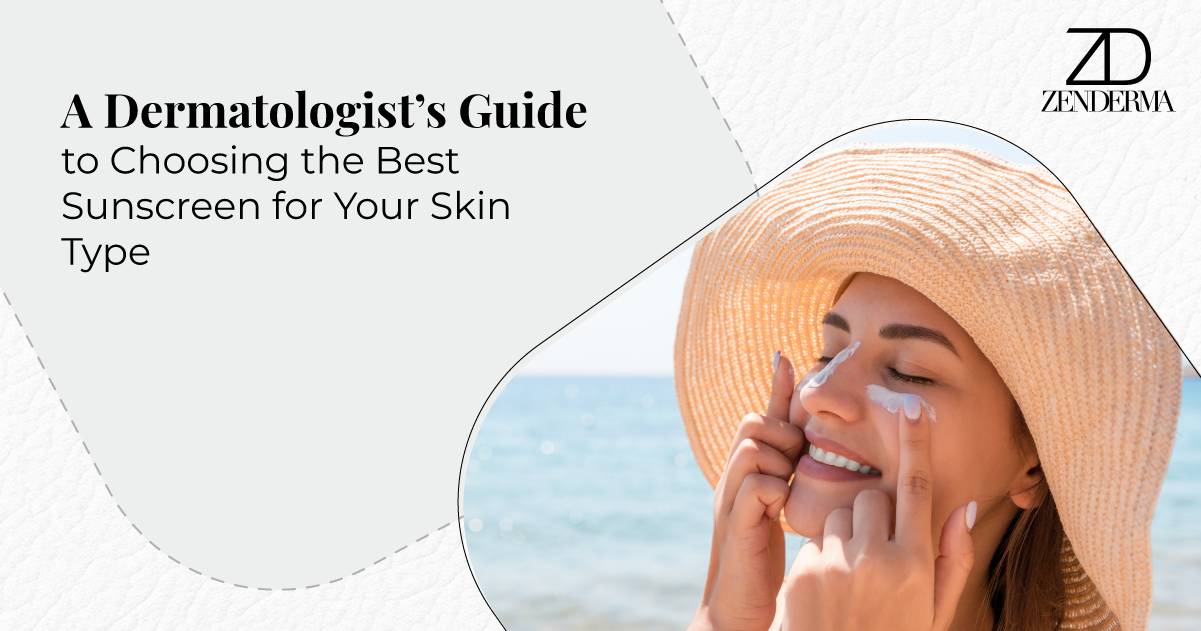
Finding the best sunscreen for skin type is the most critical step in any anti-ageing and skin health regimen. Whether you have oily, dry, or sensitive skin, the proper UV protection will help prevent premature wrinkling and pigmentation. See how this expert advice from Zenderma can help you make sense of SPF values, PA values, and the clinical formulations that provide the best level of protection.
The Science of Sun Protection and Skin Health
In the realm of dermatology, if there were only one product you could use for the rest of your life, it would certainly be sunscreen. This is because ultraviolet (UV) radiation is the cause of up to 80% of visible skin aging. However, the sheer volume of options—minerals, chemicals, gels, and sprays—often makes it difficult to identify the best sunscreen for skin type.
Sun protection is not a “one-size-fits-all” solution. A product that works beautifully for someone with parched, dry skin might cause a breakout for someone with an oily complexion. Understanding how different filters interact with your skin’s biology is essential for ensuring consistent daily use. This guide will help you understand SPF, broad-spectrum protection, and texture so you can find the right one for you.
Reading the Label: SPF vs. PA+
You need to know about the two types of rays that hurt your skin before you can choose the best sunscreen for skin type:
- UVA (Ageing): These rays can get deep into your skin and hurt your DNA and collagen. Check out the PA index (like PA++++).
- UVB (Burning): These rays affect the surface layer and cause sunburns. This is measured by the SPF (Sun Protection Factor).
Picking the Right Sunscreen for Your Skin Type
1. Oily and Acne-Ridden Skin
You require a sunscreen that protects your skin without making it greasy or causing acne.
- Texture: Gels, “dry-touch” liquids, or “matifying” milks.
- Active Ingredients: Silica or Sebulyse technology to absorb excess oil in your skin throughout the day.
- Tip: Steer clear of “comedogenic” ingredients such as coconut oil or heavy silicones.
2. Dry and Dehydrated Skin
Dry skin tends to have a weakened barrier, which makes it prone to drying out under the sun’s rays.
- Texture: Thick creams or “hydrating” lotions.
- Hyaluronic Acid, Ceramides, and Glycerin are the active ingredients. It keep your skin moist.
3. Sensitive and Reactive Skin
If you suffer from stinging or redness, chemical filters (like avobenzone) might be too irritating.
- Texture: Lightweight lotions.
- Ingredients: Mineral filters like Zinc Oxide and Titanium Dioxide. These are “physical” blocks that sit on top of the skin and are rarely allergenic.
4. Mature or Ageing Skin
Protection for mature skin should be double-acting: preventing new damage while repairing the old.
- Ingredients: Sunscreens enriched with Antioxidants (Vitamin C or E) and Peptides. These help neutralise free radicals generated by the sun that bypass the SPF filter.
Comparison: Mineral vs. Chemical: Which one is Better?
| Feature | Physical (Mineral) Sunscreen | Chemical Sunscreen |
| Mechanism | Reflects UV rays like a mirror. | Absorbs UV rays and turns them into heat. |
| Activation | Works immediately upon application. | Needs 15–20 minutes to “set.” |
| Sensitivity | Highly recommended for sensitive skin. | Can cause stinging in reactive skin. |
| Finish | May leave a slight white cast. | Usually invisible and sheer. |
The Golden Rules of Application
To get the full SPF listed on your bottle, you must follow the “Dermatologist’s Rules”:
- The Two-Finger Rule: Use two full strips of sunscreen on your index and middle fingers for just your face and neck.
- Reapplication: No sunscreen lasts all day. You must reapply every 2 hours if you are outdoors.
- Don’t Forget the “Hidden” Spots: The ears, eyelids, and the back of the neck are the most common sites for skin cancers.
Zenderma: Innovative Dermatological Solutions for UV Protection
At Zenderma, we believe that sun protection is a medical requirement, not a luxury item. Our clinic, run by experienced dermatologists, aims to provide our patients with a complete solution for skin health that shields them from the damaging effects of environmental factors. We know that some of our patients may be reluctant to use sunscreens because of their past experiences with “white casts” or oily residues.
The Korean Skin Analysis is done during a consultation at our Zenderma Skin Clinic to determine what your skin requires, such as the level of hydration it requires and its sensitivity to heat.
With this information, we can recommend medical-grade sunscreens that are:
- Non-Comedogenic: These formulas won’t block pores for people with acne.
- Hypoallergenic: Great for people with eczema or rosacea.
- Photostable: Ensuring the protection doesn’t break down halfway through your morning commute.
Your Future Self Will Be Grateful to You
Finding the best sunscreen for skin type is a good investment in your future. Sun damage builds up over time. Every day you take care of your skin, you protect it from the cell damage that causes wrinkles and dark spots in the future.
Our scientifically designed protection products at Zenderma, the best skin care clinic in chennai, are meant to help you get and keep healthy skin. Our professionals are ready to show you our line of professional UV protection products to make sure you stay safe from the sun while still looking good and feeling comfortable.
Keep your glow safe. Call Zenderma today to set up your skin consultation and find the right SPF for you.
FAQs
1. How do I know the best sunscreen for skin type if I have “combination” skin?
Look for “gel-cream” hybrids that offer hydration for your cheeks but have a matte finish for your oily T-zone.
2. Does a higher SPF provide exponentially more protection?
Not exactly; SPF 30 blocks about 97% of UVB rays, while SPF 50 blocks 98%. The most important factor is applying enough of it and reapplying often.
3. Do I need to wear sunscreen if I am working indoors?
Yes; UVA rays can penetrate through standard glass windows, leading to “indoor” skin ageing and pigmentation.
4. Can I rely on the SPF in my foundation or moisturiser?
Generally, no; you would need to apply a very thick layer of makeup to reach the stated SPF. Before putting on makeup, it’s best to use a separate sunscreen.
5. What does it mean to be “waterproof” and “water-resistant”?
No sunscreen can withstand water. “”Water-resistant” means it will keep its SPF strength for 40 to 80 minutes of swimming or sweating.
6. Will putting on sunscreen every day make you short on vitamin D?
Most people don’t put on enough sunscreen in real life to completely block UV rays, which is fine for making vitamin D. A vitamin supplement will fill the gap.
7. Can I use the same sunscreen for my face and body?
While you can, facial sunscreens are usually formulated to be lighter, fragrance-free, and non-comedogenic to avoid breakouts and eye irritation.
8. Does sunscreen expire?
Yes. Most sunscreens are designed to last for three years. If the texture changes, the smell alters, or it has been left in a hot car, the filters may have degraded—replace it immediately.
9. Is a “base tan” a safe way to prevent sunburn?
Absolutely not. A tan is a sign of skin damage. A “base tan” provides an SPF of roughly 3, which offers virtually zero protection against further DNA damage.
10. What ingredients should I avoid if I have acne?
Avoid heavy oils (such as coconut or mineral oil) and some thickeners, such as isopropyl myristate, that can make pore blockages worse.