To stop hair loss, you need to know what causes it. There are many things you can do to make your hair thicker, like changing your diet or using hair fall treatments like GFC and PRP. Find out how Zenderma can help you grow hair that lasts by using our scientifically-proven methods to make your hair follicles stronger naturally effectively.
Finding Out How Hair Loss Happens In A Scientific Way
Seeing hair clumps in your shower drain and on your hair brush is very annoying. Losing around 50 to 100 strands of hair daily is considered a normal part of the hair growth cycle. But if you’re losing more than that, it could mean that your body’s hair growth cycle isn’t working right. Some of the things that can cause hair loss are your genes, hormones that are out of balance, not getting enough of the right nutrients, and the environment.
A lot of people are using over-the-counter hair shampoos right now that only clean the surface of the hair in their search for a permanent hair fall treatment. But hair restoration starts at the root, and if you know the three stages of hair growth—Anagen, Catagen, and Telogen—you can figure out what’s wrong with your hair cycle. This article will tell you the best-kept secrets and the newest ways to bring your hair back to its full, healthy glory.
Top Lifestyle Tips to Prevent Hair Fall
Although medical treatments can be highly effective, your everyday habits play a crucial role in maintaining strong and healthy hair. Incorporate these tips to support your follicles:
1. Pay Attention to Iron And Protein
Hair is primarily composed of a structural protein known as keratin. If you don’t get enough protein, your body will put your hair follicles into a resting state because it doesn’t have enough energy.
Eggs, lentils, spinach, meat, and nuts are some of the foods you should eat.
The Iron Connection: Iron is important because it helps red blood cells carry oxygen to your cells. Your hair follicles will not get enough oxygen if your iron levels are low.
2. Manage Physical and Emotional Stress
Telogen Effluvium is a condition where significant stress pushes large numbers of hair follicles into a resting phase.
The Tip: Practise mindfulness or regular exercise to regulate cortisol levels, which can interfere with the hair growth signal.
3. Massage and Scalp Care
Imagine a scalp that is both healthy and fertile. Inflammation of the follicle, which can be caused by fungal development, excess sebum, or dandruff, can lead to premature shedding.
The Action: Use a sulphate-free cleanser and engage in gentle scalp massages to stimulate microcirculation.
Good Ways to Treat Hair Loss In A Clinical Setting
If changing your lifestyle doesn’t help, there are many very effective treatments available in modern dermatology.
Concentration of Growth Factors (GFC)
GFC is the way to go for hair treatment in the future. GFC is different from other treatments because it takes growth factors from your own blood at a high concentration and injects them straight into the hair follicle. GFC works very well to stop hair loss and add volume.
PRP, or Platelet-Rich Plasma
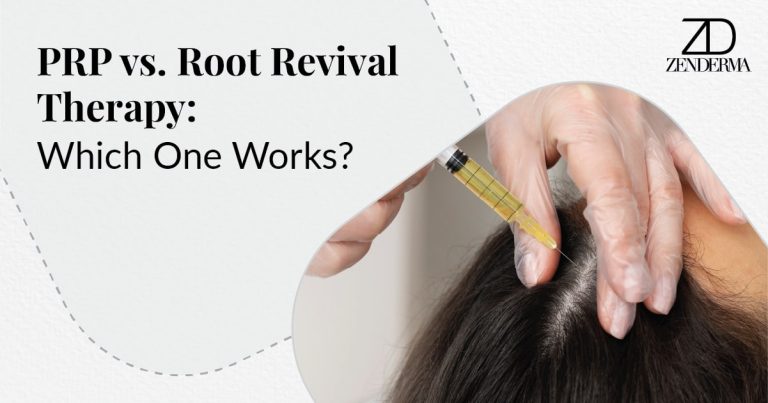
People have been using PRP therapy to hair fall treatment for a long time. We can “wake up” dormant hair follicles by injecting a lot of platelets into the scalp. This will start the healing process.
Low-Level Laser Therapy (LLLT)
This treatment doesn’t hurt and uses medical-grade lasers to get the cells inside the hair follicle to work. It is a painless way to extend the Anagen (growth) phase of the hair cycle.
Treatment Overview
| Treatment | Best For | Recovery Time |
| GFC Therapy | Thinning and early-stage balding | Zero downtime |
| PRP Therapy | Increasing hair density and thickness | 12–24 hours |
| Topical Minoxidil | Maintaining existing hair | Ongoing daily use |
| Nutritional Supplements | Deficiency-led shedding | 3–6 months for results |
Common Myths About Hair Loss
- Myth: Frequent washing causes hair fall.
- Washing removes hair that has already detached from the follicle; it does not cause the detachment itself.
- Myth: Wearing hats leads to balding.
- Unless the hat is extremely tight and causes “traction alopecia,” it will not affect hair growth.
- Myth: Cutting your hair very short causes it to grow back denser or thicker.
- Shaving only affects the hair above the skin; it has no impact on the follicle’s biology.
Zenderma: Leading the Way in Advanced Hair Restoration
At Zenderma, we believe that every scalp tells a different story. A generic solution rarely works for hair loss because the root cause for one person might be iron deficiency, while for another, it could be Androgenetic Alopecia. Our clinic, led by expert dermatologists, focuses on “Precision Trichology”—the science of hair and scalp health.
When you visit our Zenderma Clinic, we begin with a comprehensive diagnostic approach. This often includes a digital trichoscopy to examine the health of your scalp and the calibre of individual hair shafts. The medical-grade interventions that we offer include:
- Growth Factor Concentrate (GFC) Therapy: This is a very advanced, non-surgical procedure that employs your own growth factors to stimulate hair growth.
- Platelet-Rich Plasma (PRP): This is an effective way to enhance blood flow to the follicle and also thicken the hair shaft.
- Specialist Nutritional Advice: As healthy hair begins with healthy nutrition, we can assist you in planning a diet that is rich in the very nutrients that your hair follicles need.
The First Step to Healthy Hair
It’s not a race to get your hair back; it’s a process that takes time, commitment, and professional help. By combining an aggressive hair fall treatment plan with a lifestyle that supports the scalp, you can slow down the rate of shedding and even encourage hair to grow back. The most important thing is to act quickly and keep as many hair follicles as you can.
But we at Zenderma are dedicated to making you feel good about yourself again. Our team of experts is equipped with the latest technology and the knowledge of dermatological science to provide you with long-lasting results. You don’t have to suffer from hair loss alone; it is only a phone call away.
Are you ready to stop the shedding? Get in touch with Zenderma, the best hair care clinic in chennai, today to set up your hair and scalp evaluation and find a treatment plan that works for you.
FAQs
1. Can dandruff cause permanent hair loss?
While dandruff can cause the scalp to become itchy and inflamed, and if scratched excessively, can damage the hair follicles, causing the hair to become thinner temporarily, it is not usually a permanent condition with proper treatment.
2. Is hair loss in women different from hair loss in men?
Yes, in men it is often referred to as “pattern balding” or “receding hairline,” and in women as “diffuse thinning” over the top of the scalp. This is often believed to be due to changes in hormones.
3. Does a lack of vitamin D make hair fall out?
Yes, vitamin D helps hair follicles grow, and not getting enough of it is often linked to alopecia areata and general thinning.
4. Do the effects of clinical hair treatments last forever?
GFC and other treatments are great for the health of your hair, but you may need to get maintenance treatments once or twice a year to keep the effects going against natural ageing.
5. Can hair loss caused by stress be stopped?
Yes, hair loss from a stressful event (Telogen Effluvium) is usually only temporary. Once the stressful event is over and the body heals, hair growth will return.
6. At what age does hair loss usually start?
Hair loss can start disturbing you in your twenties, especially if there is a strong hereditary factor.
7. Are tight hairstyles a factor in hair fall?
It has been proven that one can get traction alopecia and continued follicle damage with the regular wearing of tight ponytails, braids or extensions.
8. When can patients expect to see the effects of PRP or GFC treatments?
Reduced hair fall is noticed by the majority of patients within a few weeks. After three to four months, visible thickening can be seen.
9. Is it safe to dye or chemically treat hair that is losing?
Chemical treatments may make the hair even more susceptible to breaking, and thus, you should consider limiting such treatments and using strengthening hair care products.
10. Can hormonal imbalances cause excessive hair loss?
Yes. If a person has thyroid diseases or high androgen levels, the hair cycle can be disrupted, and the hair will become thinning.