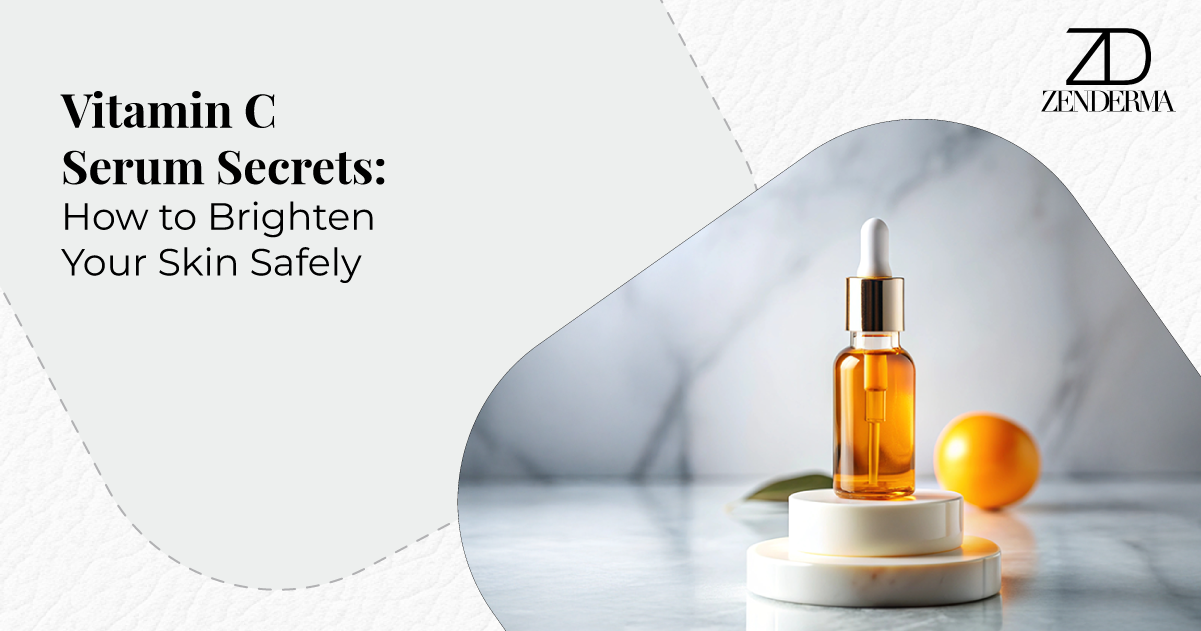
Experiencing the full potential of your skincare routine requires understanding key Vitamin C serum benefits, such as neutralising free radicals and boosting collagen. By choosing the right concentration and stabilised formulas, you can safely diminish dark spots and achieve a luminous complexion. This guide explores the medical science behind topical antioxidants to help you maintain vibrant, protected, and youthful skin.
Intro: The Pursuit of Radiance: Why Your Skin Needs an Antioxidant Shield
We’ve all been there, staring at our reflections after a particularly gruelling week, hoping for a little more luminosity.
Whether it is the dullness caused by city pollution or the lingering shadows of sunspots from a summer holiday, our skin often bears the brunt of our environment. Achieving that elusive brightness isn’t just about surface-level shimmer; it is about the internal health of your skin cells.
Incorporating high-quality topicals into your daily regimen is a game-changer. Among the most researched and celebrated ingredients in modern dermatology, Vitamin C serum benefits the skin by acting as a powerful biological shield. It’s more than just a surface-level fix; it actively mends and protects at the cellular level.
If you have been searching for a way to wake up your complexion safely, understanding the “how” behind this powerhouse ingredient is the first step.
1. The Science of Brightening: How It Works and the Key Vitamin C Serum Benefits
Vitamin C, scientifically known as L-ascorbic acid in its most effective form, is a powerful inhibitor.
It targets an enzyme called tyrosinase, which is responsible for the production of melanin.
- Pigment Control: By slowing down melanin production, the serum helps fade hyperpigmentation and prevents new dark spots from forming.
- Collagen Synthesis: Vitamin C is a cofactor for the enzymes that cross-link collagen fibres. More collagen means firmer, more resilient skin.
- Photo-protection: While it is not a sunscreen, it “mops up” the oxidative stress caused by UV rays that your SPF might miss.
2. Selecting the Proper Concentration
All serums are certainly not alike. Too little (below 8%) may render it ineffective, while too much (above 20%) can cause major irritation.
- Sensitive Skin: Go for a 10% concentration or one of its derivatives, such as sodium ascorbyl phosphate.
- Normal/Oily Skin: A 15% L-ascorbic acid formula is usually the “sweet spot” for visible brightening.
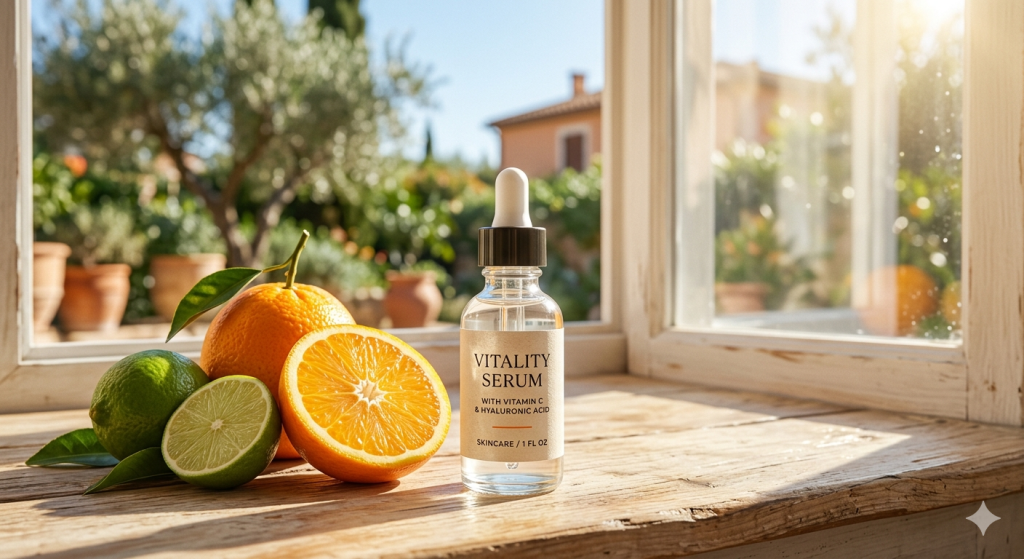
- Stability Matters: Vitamin C is notoriously unstable. Always look for serums in dark, opaque, or airless pumps to prevent oxidation (when the serum turns orange/brown and loses its punch).
Serum Formulation Comparison
| Feature | L-Ascorbic Acid | Vitamin C Derivatives |
| Potency | Very High | Moderate |
| Stability | Low (Oxidises easily) | High |
| Irritation Risk | Higher (Low pH) | Very Low |
| Best For | Experienced users | Sensitive skin types |
3. Application Secrets for Maximum Safety
To get the most out of your product without compromising your skin barrier, follow these medical marketing insights:
- The Damp Skin Myth: Unlike hyaluronic acid, vitamin C should be applied to dry skin. If the pH of the water changes, it could irritate the skin.
- Apply it first thing in the morning to get the most out of its antioxidant effects against damage from the environment during the day.
- Only use this SPF mix after putting on sunscreen. To stop photo-ageing, it’s best to use both vitamin C and SPF together instead of just one of them. According to clinical studies published in The British Journal of Dermatology, antioxidants make sunscreen work much better.
4. Staying Away from Common Trash
Putting retinol and vitamin C or alpha hydroxy acids (like glycollic acid) in the same application is the most common mistake. This can lead to redness and peeling. Instead, use your “C” in the morning and your retinol at night. This “cycling” approach ensures your skin stays bright without becoming inflamed. For more on skin barrier health, visit the British Skin Foundation.
5. Identifying Skin-Specific Needs
Every face tells a different story. If you are dealing with acne-prone skin, look for formulations that include ferulic acid, which stabilises the vitamin C and adds an extra layer of protection. If dryness is your main concern, a serum blended with vitamin E and hyaluronic acid will provide a more comfortable, cushioned feel.
Professional Results with ZenDerma
While over-the-counter products are a great starting point, professional-grade formulations and clinical treatments offer a deeper level of transformation. Zenderma, Best Skin Care Clinic in Chennai, is here to offer personalised consultations that will ensure your skin care regimen is tailored according to your biological makeup. Understanding how vitamin C serum interacts with your unique skin is central to the ZenDerma philosophy. Our dermatologists generally advise investing in top-tier serums. These should be crafted with scientifically validated ingredients designed to reach the deeper layers of your skin.
By combining science with personal skin care and leveraging vitamin c serum advantages, you can effectively treat those pesky dark spots and wrinkles that regular skin care regimens cannot eliminate.
Conclusion: Maintaining the Natural Radiance of Your Skin
Radiant skin is rarely a result of just one “magic” bottle of skincare cream. By integrating the various Vitamin C serum benefits into a well-rounded daily routine—and pairing them with expert clinical advice when necessary—you set your skin up for long-term health.
Protecting your skin from the invisible damage of oxidation today sets the stage for a brighter tomorrow. Incorporating a reliable vitamin C serum into your skincare routine is a smart move for anyone, no matter their level of expertise. It’s a solid addition if you’re aiming to elevate your skincare game.
| Ready to glow with confidence? Discover dermatologist-backed skincare at Zenderma. |
FAQs
1. How long does it take to see results from Vitamin C?
While some glow appears in days, you should expect to wait 4–8 weeks for significant pigment changes. Consistency in daily use is key to achieving visible and lasting improvements.
2. Can I use Vitamin C serum if I have active acne?
Yes, you should look for derivatives like sodium ascorbyl phosphate, which has shown mild anti-microbial properties and doesn’t sting as much. These gentler forms can help calm breakouts while supporting skin healing.
3. Why does my Vitamin C serum smell like metallic hot dogs?
It’s a little unexpected, but the scent you’re picking up often arises from the pairing of ferulic acid and L-ascorbic acid. This odour is normal and usually indicates a potent antioxidant formulation.
4. Will Vitamin C make my skin more sensitive to the sun?
Actually, it’s the opposite; you should use it to boost your skin’s defences, though it does not replace the need for SPF. Layering it under sunscreen enhances protection against environmental stressors.
5. Can I use Vitamin C serum every single day?
Yes, for the best results, you should apply it every morning after cleansing and before your moisturiser. Daily application helps maintain steady antioxidant support for your skin.
6. What should I do if my serum turns dark orange?
You should stop using it immediately, as this means the product has oxidised and may cause irritation rather than benefit. Always store the bottle away from light and heat to slow down oxidation.
7. Is it okay to apply Vitamin C around the eyes?
You should be very cautious; only use serums specifically formulated for the delicate eye area to avoid stinging. The thinner skin here requires milder, well-balanced concentrations.
8. What are the main Vitamin C serum advantages for ageing skin?
You should find that it significantly improves skin elasticity by stimulating collagen and evening out the overall skin tone. Regular use can also soften the appearance of fine lines over time.
9. Can men use Vitamin C serum after shaving?
It is recommended to wait about 30 minutes; you should let the skin settle first to avoid any tingling on freshly shaved areas. Applying it on calm skin reduces the chance of temporary sensitivity.
10. Do I need a moisturiser after applying my serum?
Yes, you should always follow up with a moisturiser to seal in the active ingredients and keep the skin barrier hydrated. This step helps lock in benefits and prevents moisture loss throughout the day.

Dr. Vignesh Karthik, MD (DVL)
Meet Dr. Vignesh Karthik, MD (DVL) – the expert mind behind Zenderma. With 15+ years of dermatology experience, he leads with precision and compassion. From advanced skin therapies to aesthetic care, your skin is in trusted hands. At Zenderma, we blend science with a personalized approach for every skin type. It’s not just treatment – it’s expert-driven transformation.